
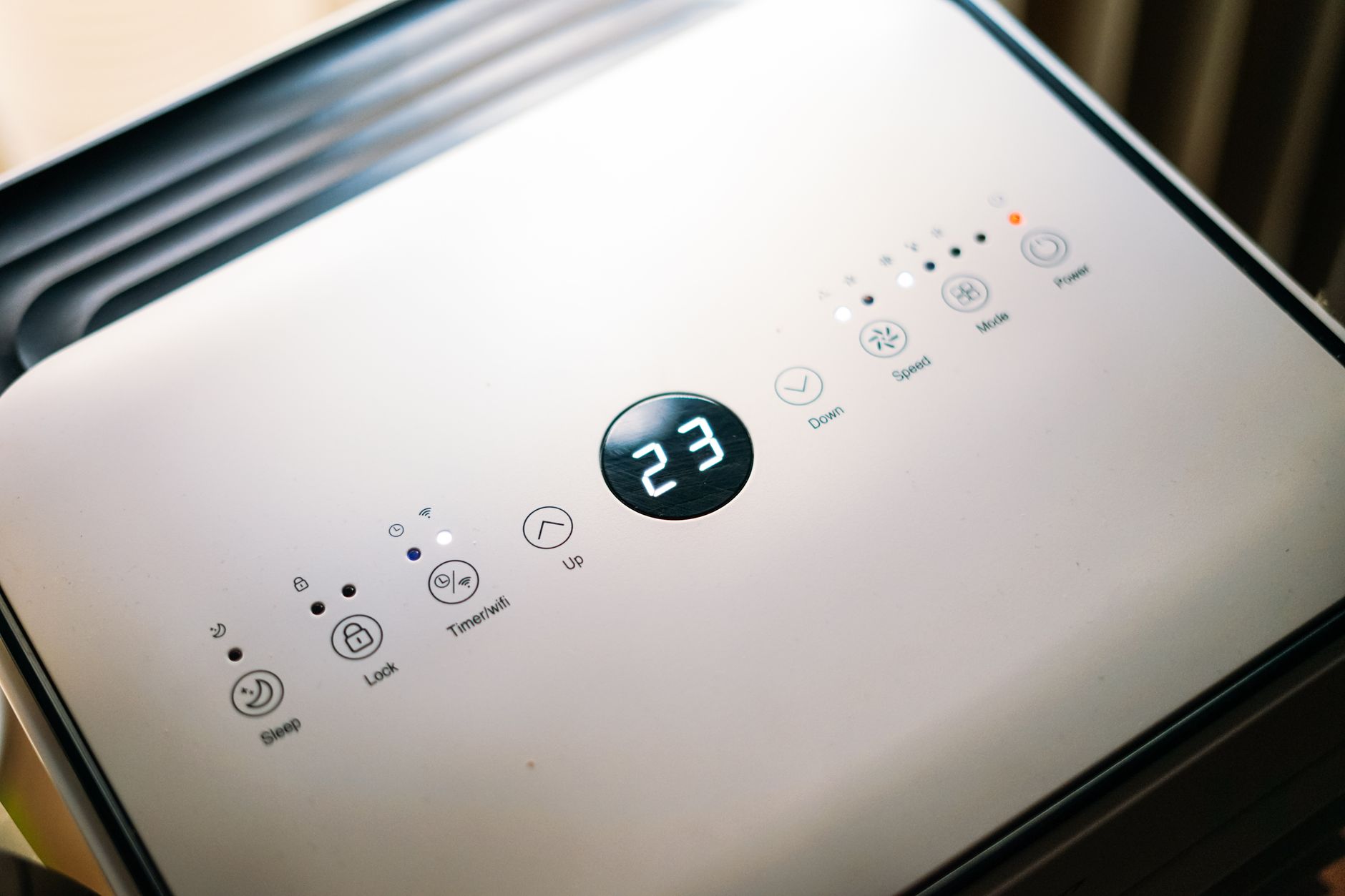
What it is
Heating without proper control swings: scalding one minute, cold the next. Thermostatic mixing valves, digital controllers and sensors hold the delivery temperature steady and protect users against scalding.
What is included
- Temperature logging before and after
- Mixing valve or digital controller
- Sensors and wiring
- Maximum temperature limiting
- Operator training
How it works
Diagnose the swing
We log temperature over time to find the real cause of the variation.
Specification
We choose the control strategy: thermostatic mixer, sensor-based controller or recirculation.
Installation
The control is integrated into the existing system with a service bypass.
Calibration
We set the setpoint, cap the maximum temperature and document the configuration.
Frequent questions
Why does my water temperature swing?
The usual causes are pressure imbalance between hot and cold, an undersized appliance and the absence of a thermostatic mixing valve.
Is this useful in a building?
Very. In central systems, controlling delivery temperature is a safety requirement, not a luxury.
Can it be monitored remotely?
In central systems, yes. We implement remote temperature reading and fault alarms.
Related
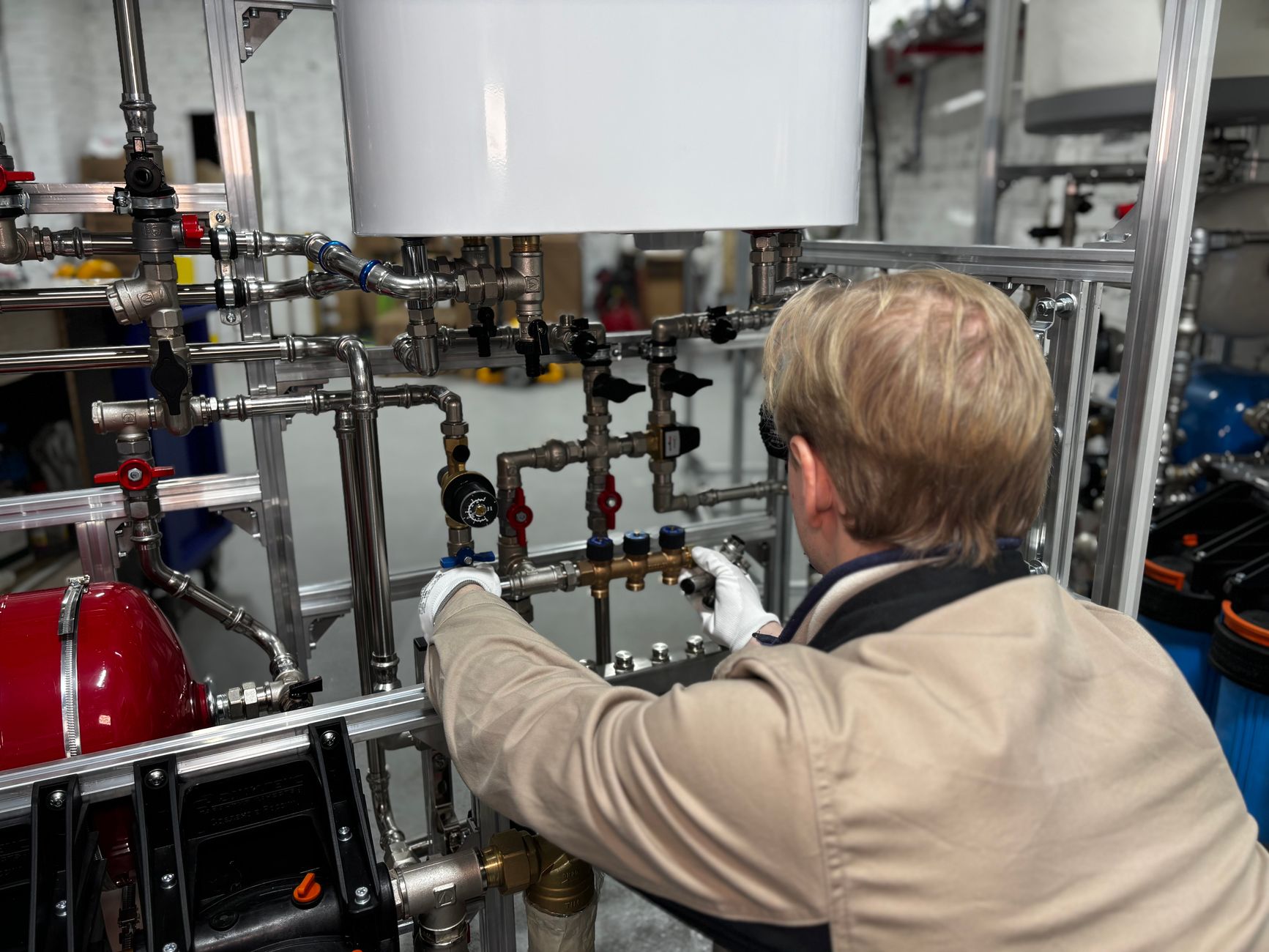
Bench diagnosis
Gas water heater repair
Full repair of tankless heaters, with a functional test before handover.
How it works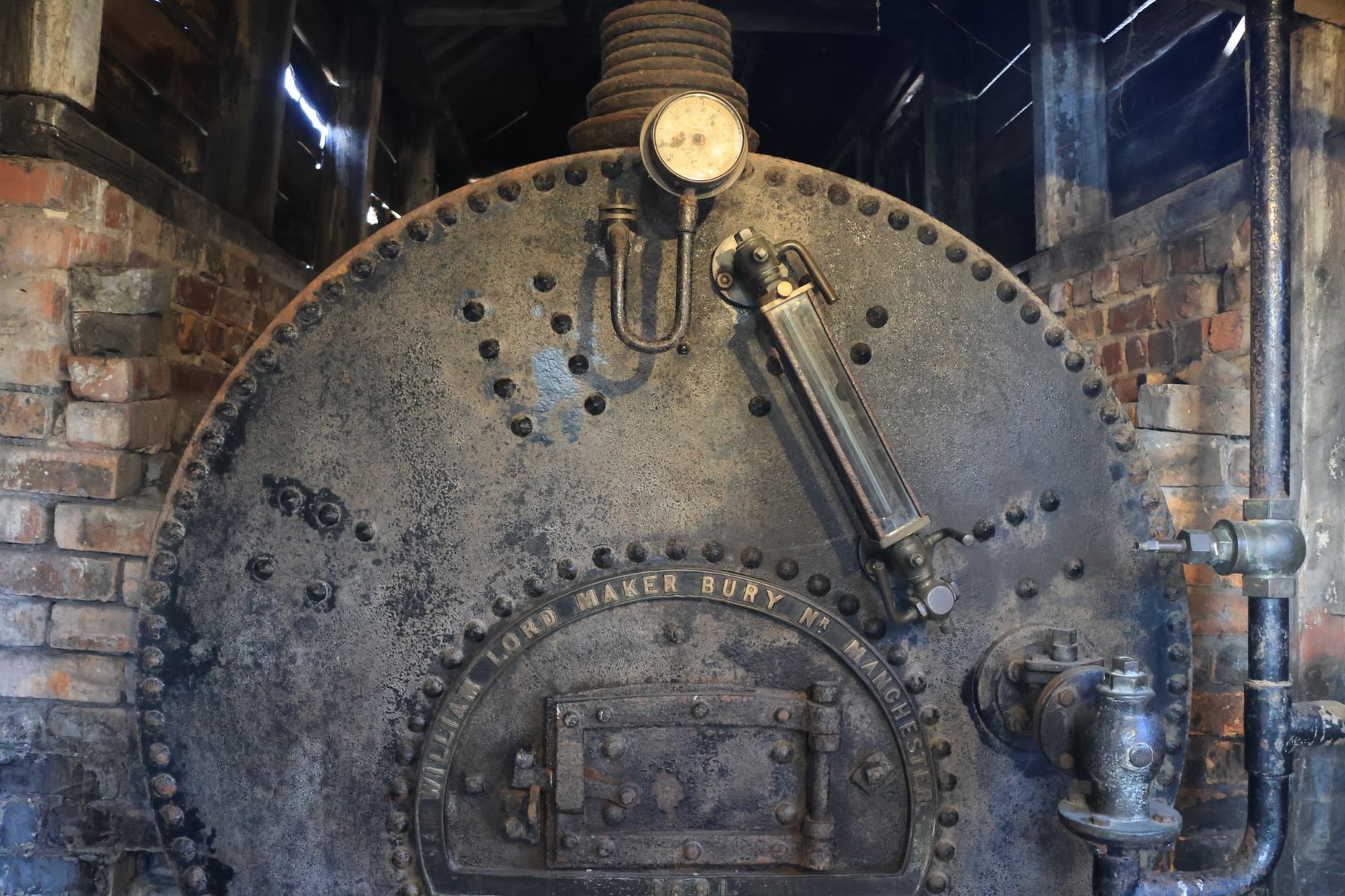
Scale removal
Heat exchanger descaling
Chemical and mechanical cleaning of the heat exchanger and burners.
How it works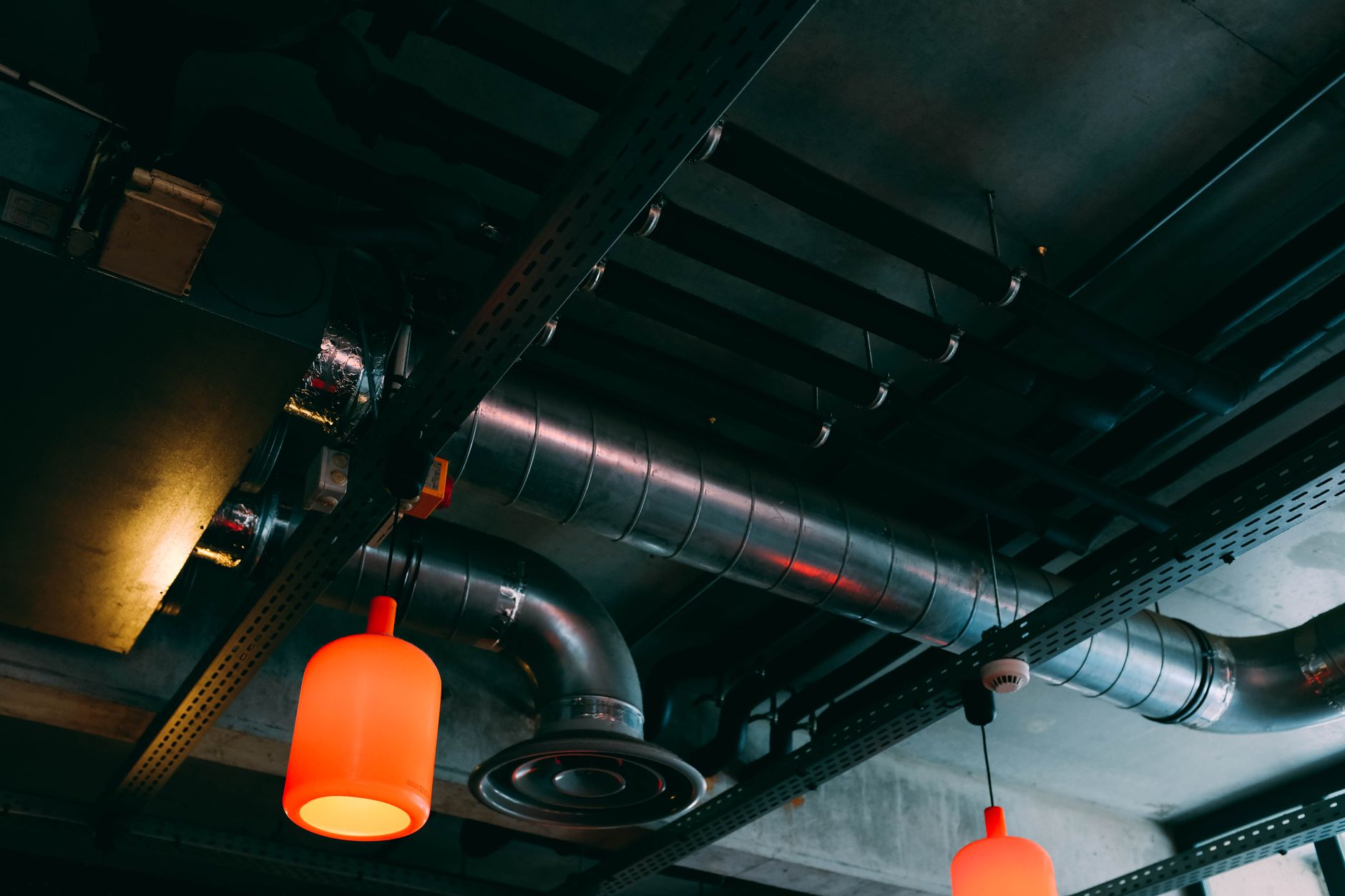
Room safety
Flue and ventilation works
Correction of flues, ducts and ventilation in rooms with gas appliances.
How it works